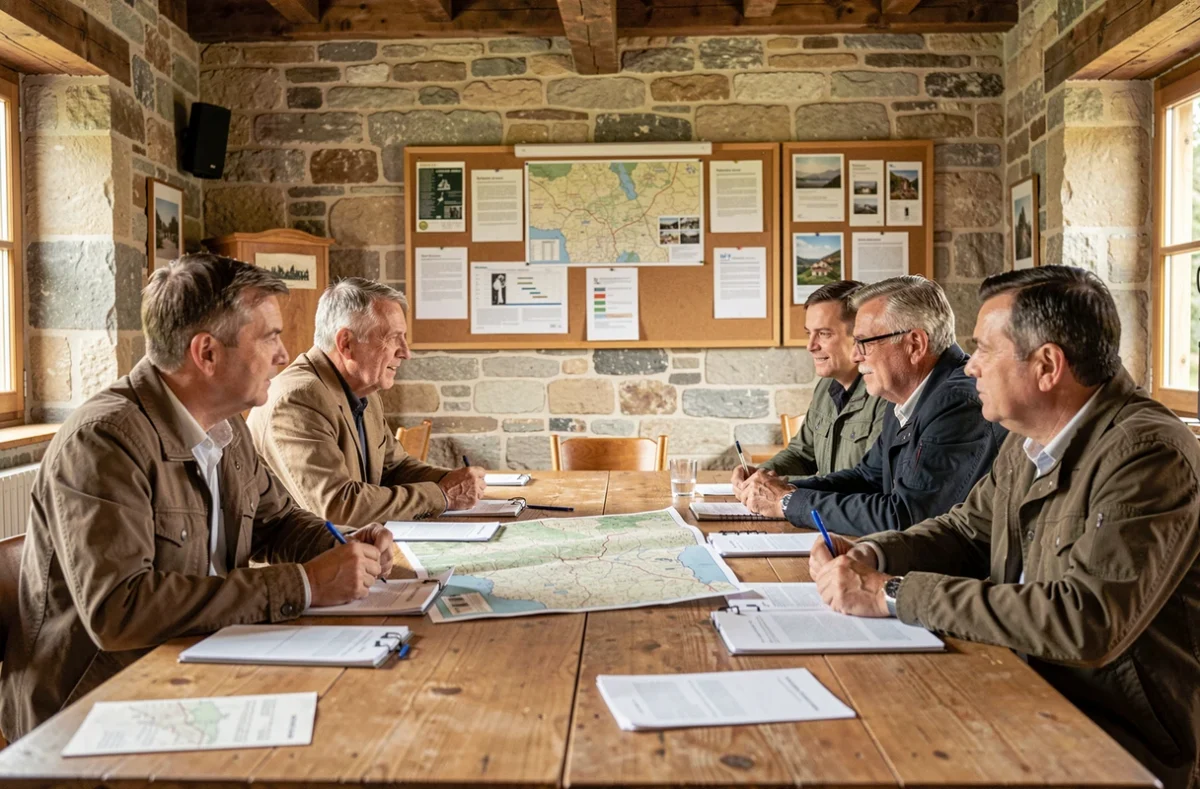
The Pays de La Petite Pierre community of municipalities, part of the Hanau area in Alsace, offers a packed local program: family workshops, an intermunicipal music season, business tours and heritage events. These events are becoming more frequent, but making sure residents know about them remains a challenge. Some people follow neither the local authority’s social media nor local news outlets, raising a practical question about how intermunicipal information actually reaches residents.
Sharing intermunicipal information in rural areas: the missing link
Rural and semi-rural local authorities such as the Pays de La Petite Pierre generally rely on three main channels: the official website, social media (Facebook, Instagram) and a printed municipal newsletter. The community of municipalities’ website regularly publishes news, while its Facebook page shares events and initiatives.
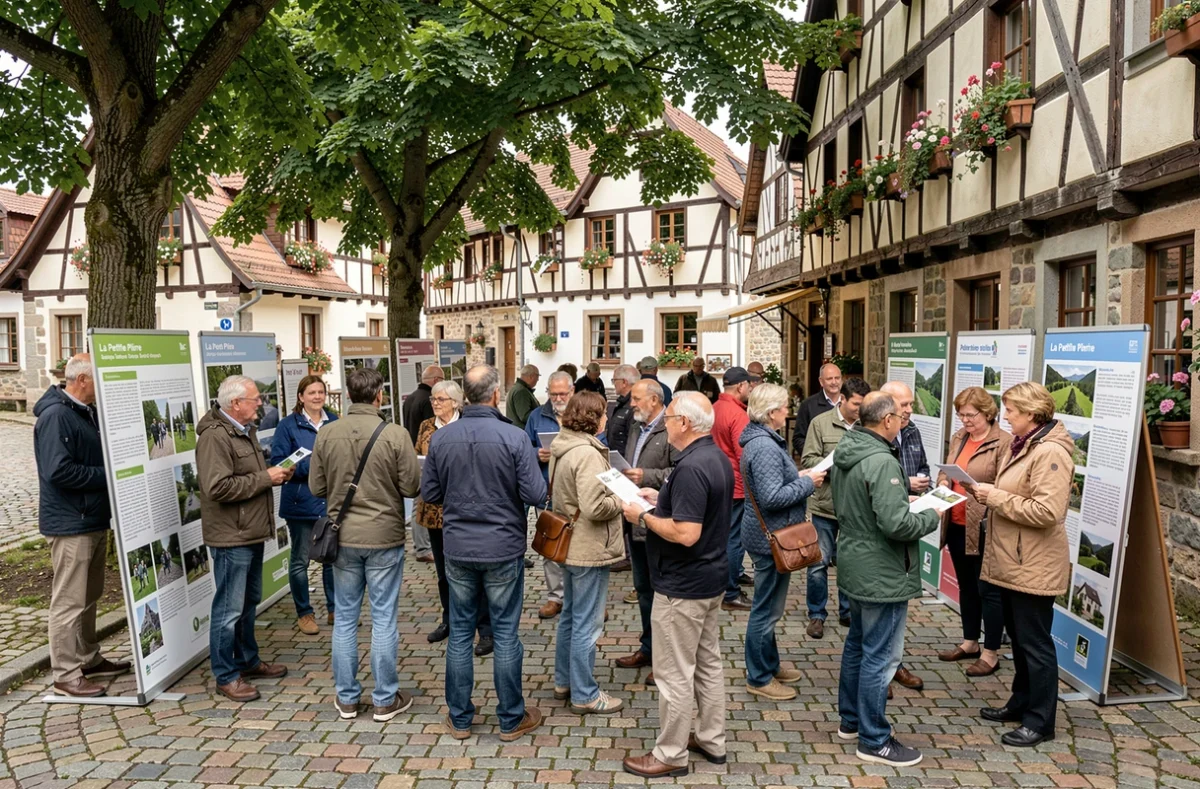
The problem comes at the next stage. Residents who do not use any of these channels, whether by choice or out of habit, miss out on a program designed for them. In an area made up of several small municipalities, word of mouth alone cannot reach every household. Municipal noticeboards still help spread the word, but only to residents who pass by the town hall or school.
Following the latest news from the La Petite Pierre community of municipalities helps bring information together, provided residents make a habit of checking it. The real challenge is not creating content, but making sure it reaches its intended audience.
Cultural season and family workshops: what the area has to offer in 2026
The Hanau-La Petite Pierre area’s program is built around several practical themes. Concerts are scheduled in several municipalities, with free admission or a voluntary contribution. This decentralized format helps reach audiences who might not travel to Strasbourg or Saverne for a cultural event.
The Maison de la Famille runs prevention workshops covering topics such as school bullying and cyberbullying. A recent program included a parents’ coffee morning on bullying at school, a digital workshop on cyberbullying, and a parent-teen workshop on cosmetics and food. These events bring prevention, parenting and digital issues together in one calendar.
Heritage initiatives also involve young people directly. Cultural projects bringing together outreach programs, schools and local heritage have given young people in the area a direct role in showcasing their surroundings.
- Free intermunicipal concerts in several villages, with no advance booking required.
- Maison de la Famille workshops for parents and teenagers on prevention topics.
- Tours of local businesses (crystal, leather goods, food crafts and work at an ESAT) to discover careers in the area.
- Participatory heritage events involving schools and families.
Measuring the real impact of local communications: known limitations
Publishing news on an official website tells us nothing about how many residents read it, understood it or attended an event as a result. Event attendance does not measure the reach of communications: a concert may be full thanks to word of mouth, with no contribution from official channels.
Web analytics tools provide visitor figures, but not demographic profiles. We know how many people visit the news page, but not whether they live in the area or belong to the intended audience. What is missing is the household information coverage rate—that is, the proportion of households in the area that actually received information about a given event.
Social media presents a similar problem. The number of followers of the community of municipalities’ Facebook page does not reflect the area’s actual population. Algorithms limit the organic reach of official posts, meaning a follower may never see an announcement in their feed.
Offline channels and residents who are not online
For residents who use digital tools rarely or not at all, information is still shared through municipal newsletters, physical noticeboards and local associations. These channels cost money to produce and distribute, but their effectiveness is rarely assessed. Delivering a newsletter to every mailbox guarantees delivery, not readership.
Sports and cultural associations are an underused way to spread the word. They reach regular audiences who are often deeply involved in local life but do not routinely check the local authority’s website. Consistently including the intermunicipal calendar in association communications (emails, discussion groups) would reach a segment of the population that official channels otherwise miss.
Intermunicipal events in Alsace: making existing activities visible
The Hanau-La Petite Pierre area is not short of things to promote. Its music season, family workshops, business tourism with company tours and school heritage projects offer something for a range of audiences. The gap comes at the final stage: getting information into the daily lives of residents who are not actively looking for it.
Several practical ideas follow from this. Digital displays in partner businesses (bakeries, pharmacies) can reach people as part of their daily routine, without requiring them to search for information. Group text messages sent through municipal contact lists are another direct channel, although their use raises questions about consent and acceptable frequency.
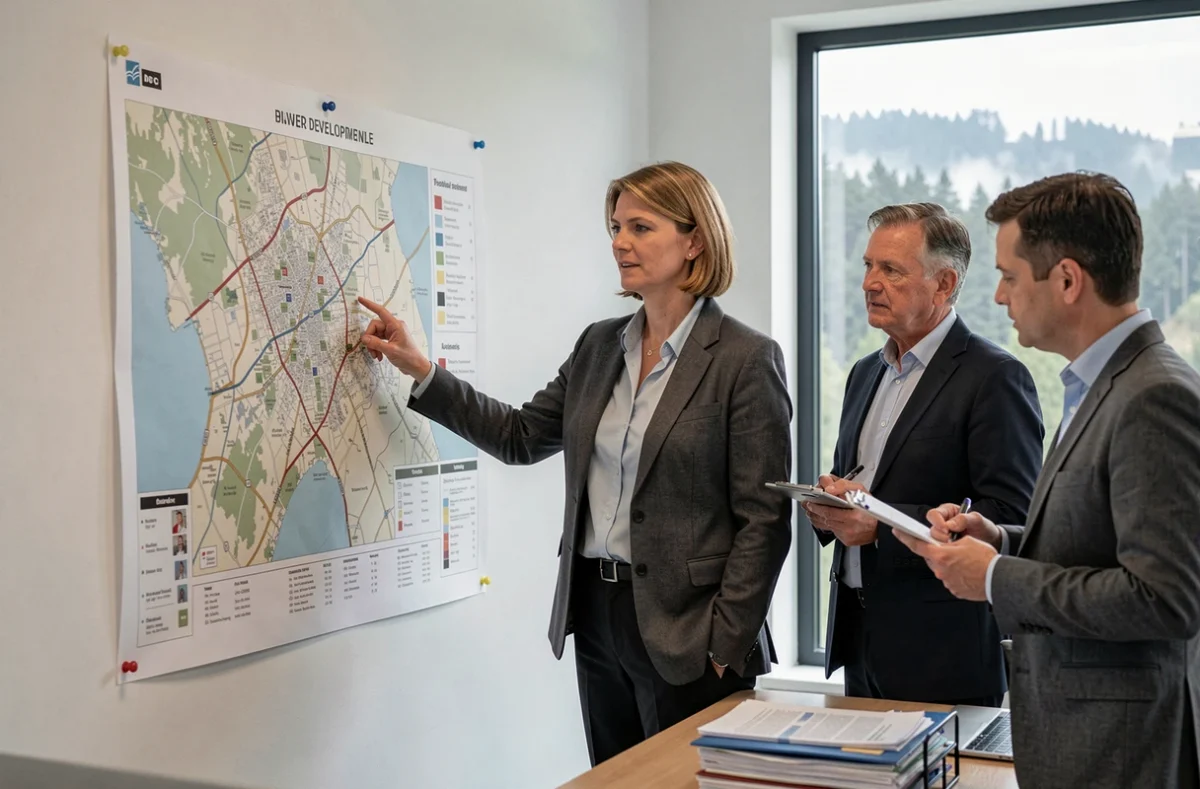
An annual survey of a sample of households, even a small one, would help measure the gap between the information on offer and what residents actually receive. Without this data, the local authority creates content without knowing what proportion of the population it reaches. This is not a technical issue; it is a policy choice about the resources allocated to measuring the impact of local public communications.