
A volume of 20 cubic meters often comes up in searches related to moving, storage, or transporting goods. This measurement corresponds to a three-dimensional space that can take very different shapes depending on the context: truck box, shipping container, self-storage unit. Understanding what a 20 cubic meters space actually entails allows for better anticipation of the real capacity of a space and helps avoid unpleasant surprises at the time of loading.
Theoretical volume and usable volume: the gap that technical sheets do not show
The majority of online guides present the dimensions of a 20 m³ space as a raw data point. It is stated that a 20-foot container offers an internal volume of about 33 m³, or that a truck box measures between 5.5 and 7 meters long with a width close to 2 meters. These figures are accurate on paper.
The actually usable capacity is limited to 80 – 85% of the internal volume. The gaps between boxes, the irregular shape of furniture, securing constraints, and the need to protect certain fragile items reduce the available space.
For a 20-foot container with a theoretical internal volume of around 33 m³, the actually usable range falls between 25 and 28 m³ of goods. For a truck advertised as 20 m³, the loadable volume often hovers around 16 to 17 m³ effective.
When comparing the dimensions of a 20 cubic meter between a moving truck and a shipping container, the difference in internal proportions also explains this gap. A container is taller and narrower, complicating the stacking of certain bulky items.
Cubic meter and loading meter: two units, two filling logics
Thinking only in cubic meters is misleading when working with pallets or rolls. The loading meter (LDM) is the reference unit in road pricing. One LDM corresponds to one linear meter occupied on the vehicle’s floor, across its entire usable width (about 2.4 meters for a standard truck).
A space of 20 m³ in a truck with a usable width of 2 meters and a height of 2 meters represents a floor length of 5 meters, or about 2 LDM in pallet pricing. If your goods are on Euro pallets (1.2 m x 0.8 m), the number of pallets you can load depends more on the floor area than on the total volume.
This distinction changes the game for professionals. A 20 m³ truck filled with non-stackable pallets uses less than half of its volume, because the space above the pallets remains empty. In contrast, boxes of various sizes stacked manually make much better use of the cubic space.
When the cubic meter remains relevant
For a private move or light bulk (clothes, books, small appliances), the cubic meter remains the right unit for comparison. It is also the unit used by self-storage companies to size their units.
20-foot container, 20 m³ truck, storage unit: compared dimensions
The same announced volume does not produce the same space depending on the format. Here are the common proportions:
| Format | Usable Length | Usable Width | Usable Height | Announced Internal Volume |
|---|---|---|---|---|
| 20-foot dry container | about 5.9 m | about 2.35 m | about 2.39 m | about 33 m³ |
| 20 m³ truck | 5.5 to 7 m | about 2 m | about 2 to 2.5 m | 20 m³ |
| 20 m³ self-storage unit | variable | variable | often 2.5 m | 20 m³ |
The 20-foot container significantly exceeds 20 m³ in gross volume. It is therefore not equivalent to a “20 cubic meters” in the strict sense, even though confusion is common. A 20-foot container offers about 33 m³ of internal volume, which is more akin to a 30 m³ truck in terms of actual capacity.
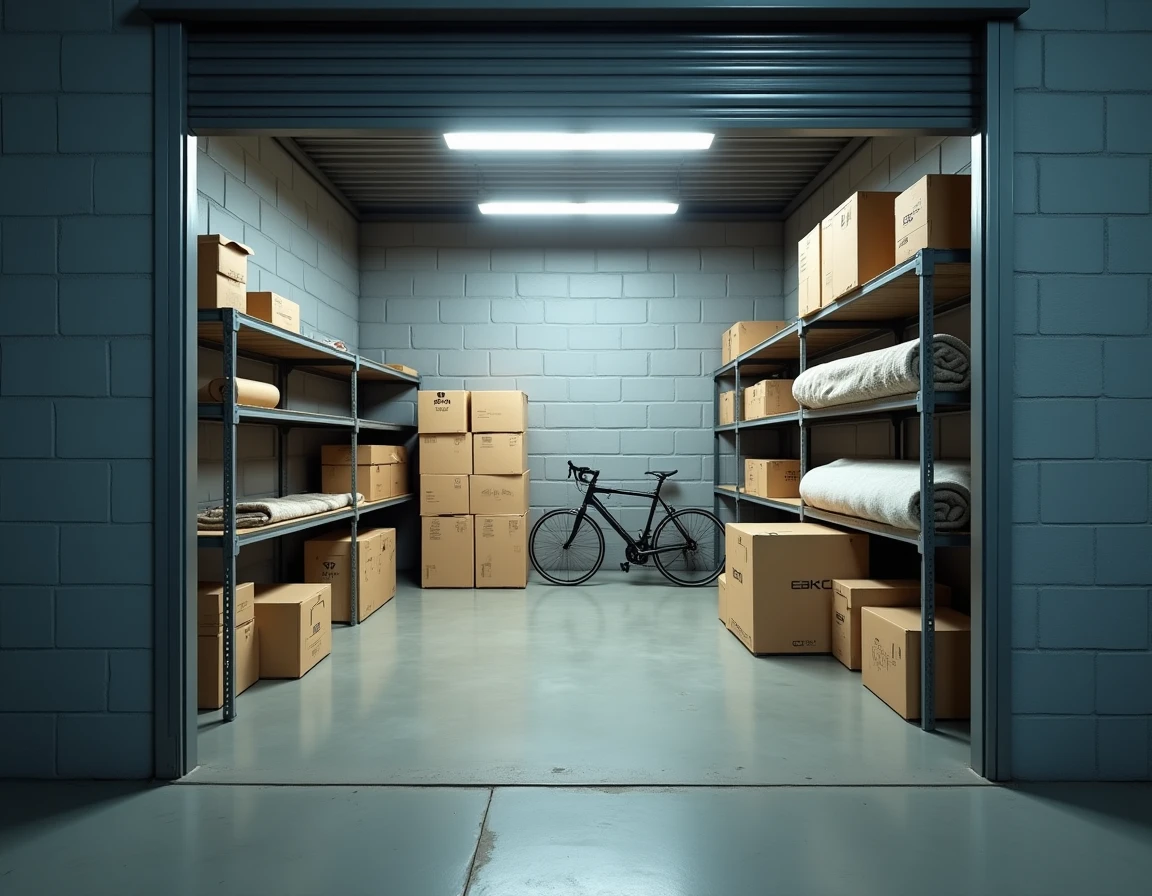
The case of the self-storage unit
A 20 m³ unit often appears as a room of 8 m² on the ground with a ceiling height of 2.5 meters. This configuration is suitable for storing the furniture of a T3 or T4 type apartment. Field reports vary on this point: some moving professionals estimate that a typical furnished T3 requires more like 15 m³, while others go up to 25 m³ depending on the volume of furniture and personal effects.
20 m³ for a move: what this volume allows to transport
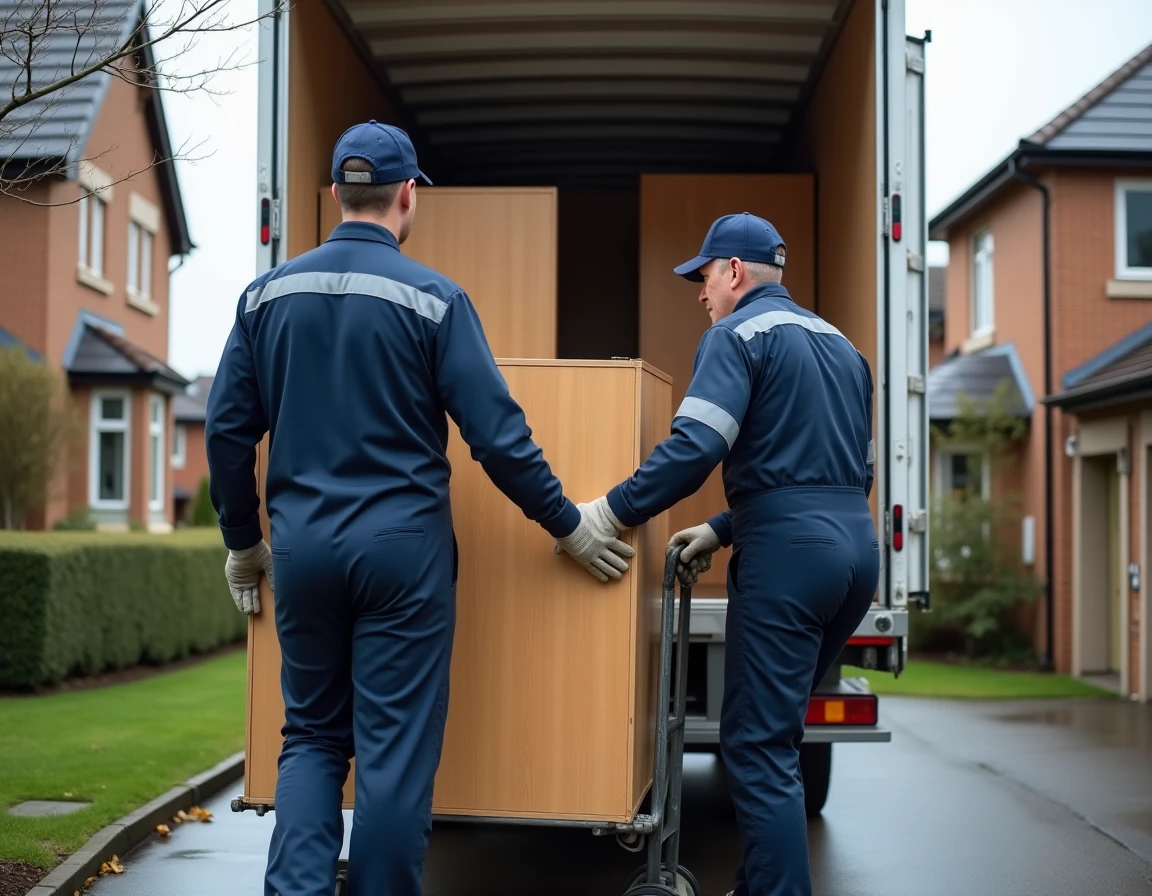
A 20 m³ truck is the most common intermediate format for rental utility vehicles for individuals. It is accessible with a B license as long as the total weight does not exceed 3.5 tons, which covers the majority of domestic moving situations.
Here is what a 20 m³ space typically allows to load:
- The complete furniture of a two to three-room apartment: bed, sofa, table, chairs, wardrobe or closet
- Thirty to forty standard boxes (about 50 liters each), which is the usual content of a household of two people
- Large appliances (refrigerator, washing machine) provided they are secured vertically against a wall
Optimal loading requires placing heavy and flat items at the back, then stacking boxes in descending order of weight. This sequencing reduces gaps and protects fragile items placed last.
What generally does not fit
A piano occupies between 1 and 1.5 m³ by itself, but its weight (often over 200 kg) quickly eats into the vehicle’s payload. Similarly, a large corner sofa can consume a quarter of the available volume without the possibility of stacking anything on top.
The weight constraint is as decisive as the volume constraint. A 20 m³ truck reaches its payload limit well before being full if it is loaded with boxes of books, tools, or heavy equipment. Checking the weight/volume ratio of each category of items before loading helps avoid unpleasant surprises at tolls or during a roadside check.